PNLSC and legal experts challenge how Japan’s nationality law is being applied to Filipino Nikkei-jin
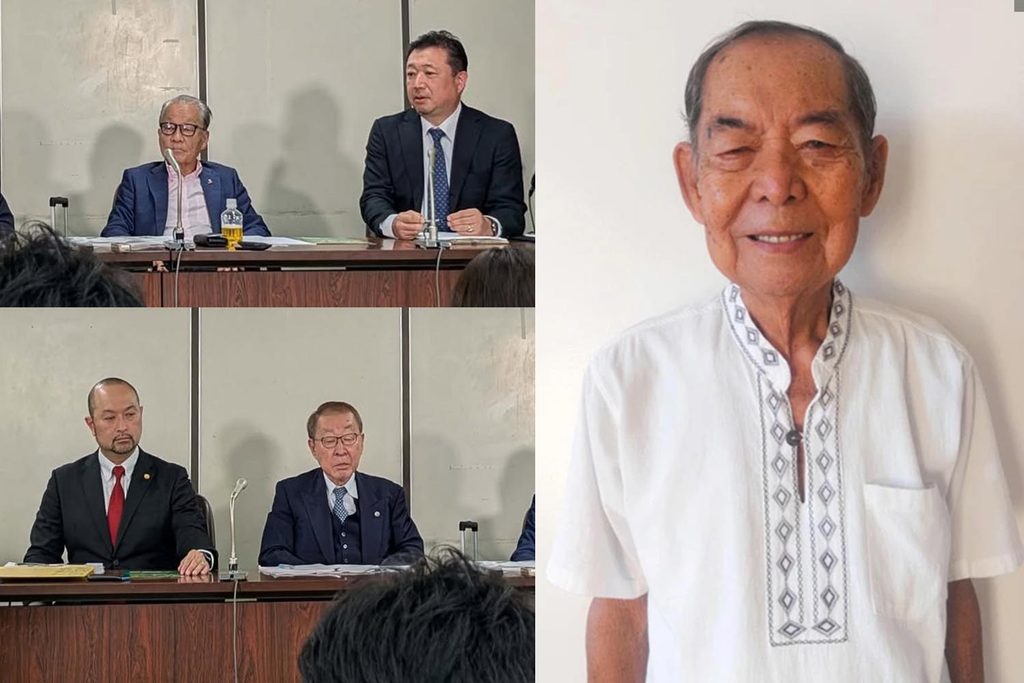
The long fight for Japanese nationality recognition among Filipino Nikkei-jin has reached another important stage. On April 13, 2026, the Philippine Nikkei-jin Legal Support Center (PNLSC) and the lawyers supporting Jose Takei submitted the formal reasons for his special appeal to Japan’s Supreme Court.
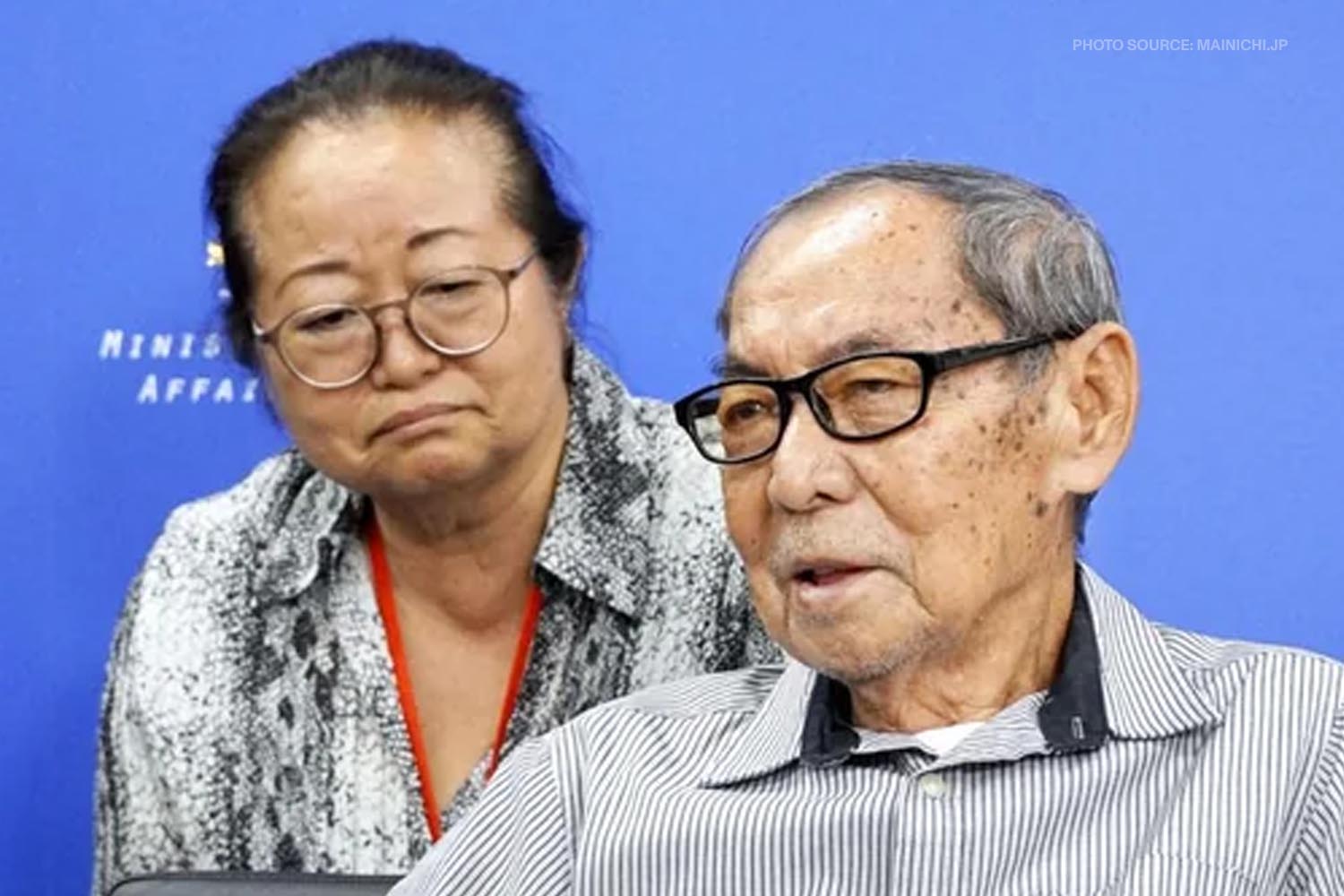
Takei, a second-generation Filipino Nikkei-jin, has spent years trying to have his Japanese family roots officially recognized. His case raises an important question: if a person can prove that their father was Japanese, should the absence of official marriage or family records prevent them from being recognized under Japan’s nationality law?
Why Was Jose Takei’s Application Rejected?
Takei applied to have his name entered into a Japanese family registry, known as a koseki. This process is called shuseki. It is an important step for people seeking formal recognition of their Japanese nationality.
However, his application was rejected by the Tokyo Family Court in September 2025. His appeal was also dismissed by the Tokyo High Court in January 2026. On January 23, 2026, his legal team filed a special appeal with Japan’s Supreme Court.
The main issue concerns how the courts interpret the word “father” under Japan’s former Nationality Act. The lower courts treated it as requiring a legally recognized father-child relationship, not simply proof that the person was the child’s biological father.
This distinction matters because many Filipino Nikkei-jin were born during a period of war and great uncertainty. Some Japanese fathers and Filipino mothers were never formally married, while other families lost documents or were separated by the events surrounding World War II. For many descendants, proving their family history decades later has become extremely difficult, and poses to be one of the most challenging aspects of gathering evidence.
What Are the Lawyers Asking the Supreme Court to Consider?
Takei’s lawyers argue that the law should recognize the difference between proving a biological relationship and having documents that establish a legal relationship. They believe the courts have added a requirement that is not clearly stated in the wording of the former law.
They also argue that modern DNA testing can provide strong evidence of biological parentage, even when marriage certificates and other historical documents are no longer available. In their view, refusing to consider this evidence fairly may result in unequal treatment for people whose family records were lost or never created.
The lawyers say the issue is not simply about allowing people to become Japanese citizens. It is about recognizing people who have Japanese parentage and whose lives have been shaped by a family history that was disrupted by war.
At the April 13 press conference, attorneys Kenjiro Kitamura and Hiroyuki Kawai explained the legal arguments behind the appeal. They also highlighted the urgency of the situation: many second-generation Filipino Nikkei-jin are now in their 80s, and time is running short for those who have waited most of their lives for recognition.
A Personal Struggle Behind the Legal Case
For Takei, the case is deeply personal. He has undergone DNA testing and reunited with his Japanese half-brother as part of his efforts to establish his family connection. Despite these steps, his application has not been accepted by the courts.
His experience reflects the difficulties faced by many Filipino families whose Japanese ancestry was hidden, undocumented, or lost during and after the war. What may appear to be a missing document today could be the result of circumstances that families had no control over many decades ago.
PNLSC Representative Director Norihiro Inomata and the legal team have emphasized the importance of continuing these efforts while the remaining second-generation descendants are still alive. Every case represents a person and a family who have spent many years seeking answers about their identity and origins.
What This Means for Nikkei-jin in the Philippines
Takei’s appeal is important not only for his own family, but also for the wider Filipino Nikkei-jin community. The Supreme Court’s consideration of the legal arguments could have significance for other descendants facing similar difficulties in proving their Japanese parentage.
However, the appeal should not be understood as a guarantee that all people with Japanese ancestry will automatically qualify for Japanese nationality. Each case depends on its own family history, available evidence, and the legal requirements that apply.
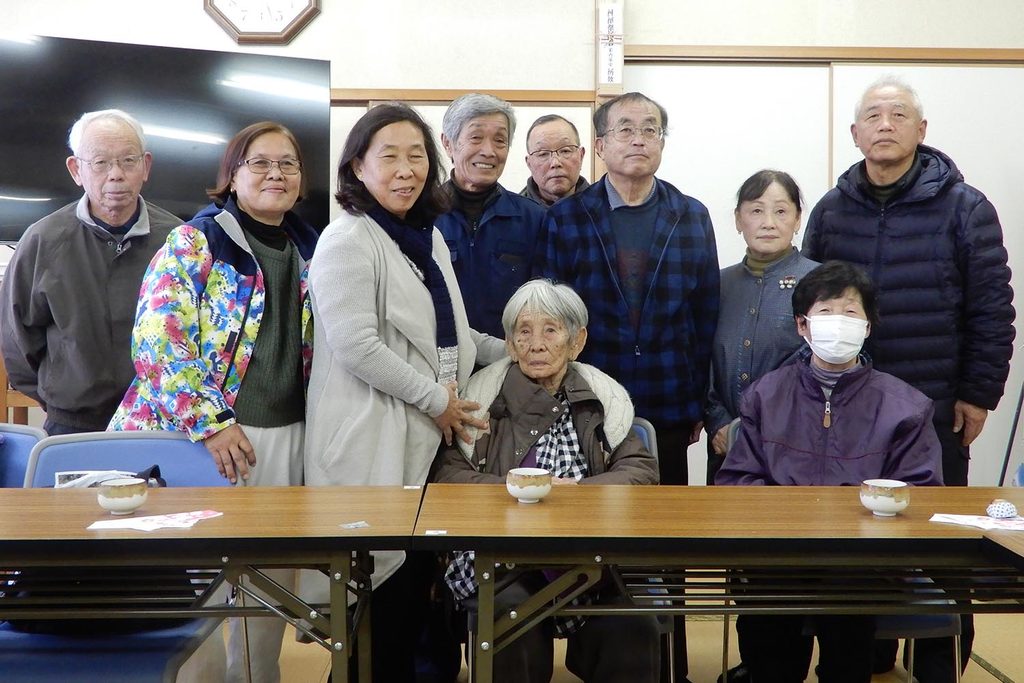
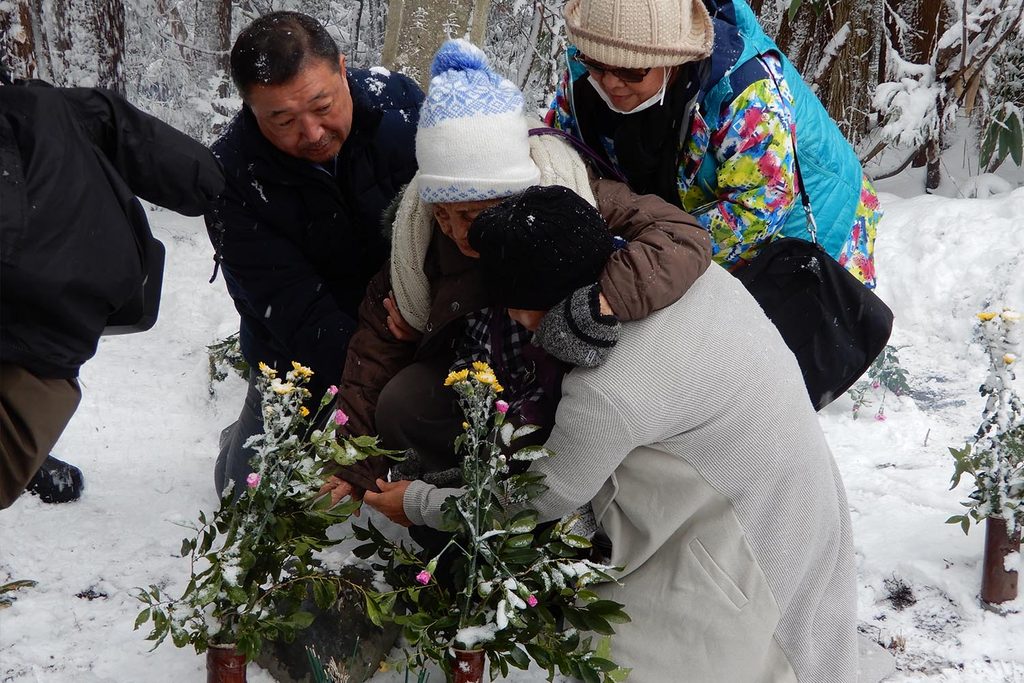
There are also continuing efforts to help Filipino Nikkei-jin reconnect with Japan. In January 2026, Japan’s Ministry of Foreign Affairs supported another visit to Japan by second-generation descendant Rosalina Kamba, following Jose Takei’s visit in August 2025. These visits are part of the Japanese government’s ongoing efforts to support Filipino descendants seeking to establish their Japanese nationality. The final decision on nationality, however, remains subject to the applicable legal process.
For families who suspect they have Japanese ancestry, the message is clear: do not wait until it is too late to look into your family history. Information that seems small today may help establish an important connection, whether a Japanese name, an old photograph, a letter, a birth record, or a relative’s memory.
Start Tracing Your Japanese Roots
If you believe your family has Japanese ancestry, take the first step by speaking with your older relatives and gathering whatever information is available. Record the names of Japanese ancestors, their possible hometowns in Japan, dates of birth, family relationships, and any stories passed down through generations. Keep old photographs, letters, certificates, and other family documents, even if you are unsure of their significance.
You do not have to investigate everything on your own. PNLSC works with Nikkei-jin chapters across the Philippines to help families research their Japanese ancestry and understand the possible steps involved in tracing their roots.
Be proactive. Join your local Nikkei-jin chapter, connect with other families, and begin documenting your family history. The search for your roots can start with a conversation today—and the information you preserve may help the next generation understand where they come from.