
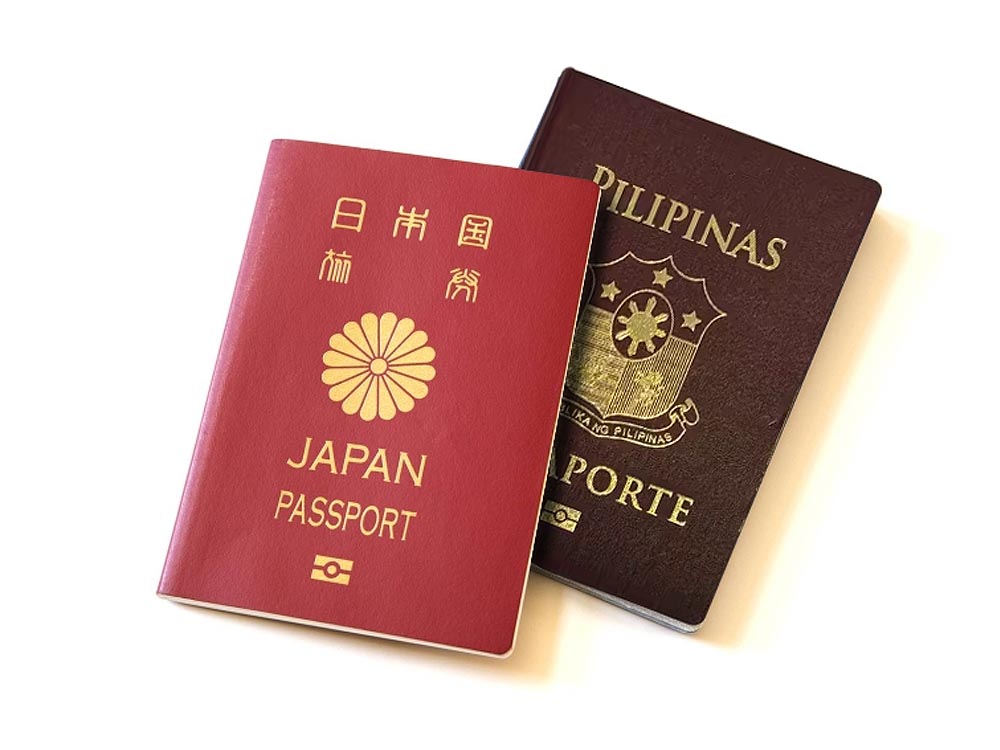
Editorial: The following article represents the personal views and opinions of the author, Ken Osh Tan (大城ケン, 四世日系人), and does not necessarily reflect the official stance of the Philippine Nikkei-jin Legal Support Center (PNLSC) or its partner organizations. It is intended as an editorial commentary to encourage discussion on policies and perspectives concerning Nikkei-jin descendants and Japan’s population challenges.
Why Prioritizing Filipino-Japanese Descendants Aligns with National Interest.
Facing a critical demographic downturn, Japan confronts escalating challenges: a rapidly aging population, shrinking workforce, and massive strain on social security systems. Traditional immigration policies lack cultural alignment, while sheer reliance on birth incentives has failed to stem decline.
An alternative: reintegration of Nikkei-jin descendants, especially from the Philippines. These are individuals with genuine blood ties to Japan, which offers a culturally coherent, ethically grounded, and socially sustainable solution. Embracing this group enhances population resilience, projects a positive international image, and promotes historical reconciliation.
1. Japan’s Demographic Crisis: Data & Implications
- Unprecedented population decline: In 2023, Japan recorded its lowest birth rate since records began – 758,631 births, while deaths surged higher, resulting in nearly 900,000 more deaths than births in 2024 Reuters | New York Post.
- Projected demographic shift: By 2070, the population is expected to decline to approximately 87 million, with senior citizens (65+) comprising nearly 39% of the total Nippon.com | Reuters.
- Rapid aging and diminishing workforce: Japan currently has one of the highest proportions of elderly globally, with working-age individuals dropping to just 59% of the population Earth.Org | Canon Global Strategy Research Institute.
These demographic pressures place Japan’s social security, labor markets, and long-term economic sustainability at serious risk.
2. The Strategic Advantage of Nikkei-jin Integration
A. Cultural Consistency and Identity Safeguarding
Nikkei-jin maintain ancestral and cultural links to Japan, making their integration less disruptive to societal cohesion compared to unrelated immigrant groups.
B. Ethical and Historical Lending of Restoration
Filipino (and other) Nikkei communities descended from Japanese nationals, often separated by WWII and war-related migrations. Recognition of these descendants fulfills a moral responsibility of reconciliation.
C. Socioeconomic and Workforce Alignment
Filipino Nikkei descendants typically possess multilingual capabilities (English, Filipino, Japanese) and exhibit work ethics aligned with Japanese norms, facilitating smoother integration and economic contribution.
D. Enhancing National Image and Soft Power
Embracing Nikkei-jin fosters a narrative of historical responsibility and diaspora inclusion, thereby strengthening Japan’s global reputation. In contrast, recent measures like JICA’s city-partnerships sparked xenophobic backlash and raised concerns about societal tolerance The Guardian.
3. Policy Recommendations for Formalizing the Nikkei-jin Pathway
A. Streamline Documentation and Legal Confirmation
Broaden cooperative frameworks like the MOA between the Philippine Statistics Authority (PSA) and PNJK Rengokai, which simplifies delayed birth registration and supports civil identity restoration.
B. Establish Special Immigration & Citizenship Routes
Create tailored visa categories or direct residency pathways for verified Nikkei-jin, including progeny up to the 3rd, 4th, and 5th generation, enabling legal integration into Japan.
C. Provide Support for Integration and Cultural Reconnection
Offer Japanese language training, cultural orientation, and social services pre- and post-arrival to ensure successful long-term adaptation.
D. Promote Public Awareness and Historical Education
Launch campaigns highlighting stories of Nikkei-jin discovery, honoring intergenerational ties, and clarifying that descendants are part of Japan’s extended family, not foreign migrants.
4. Conclusion
Japan’s demographic decline is not merely a statistical concern. It entails existential risks to national identity, economic vitality, and societal equilibrium. Addressing this through a Nikkei-jin integration strategy offers a unique, culturally coherent, and ethically defended approach to revitalizing the population.
By supporting descendants of Japan’s former diaspora, particularly from the Philippines, Japan safeguards its heritage, promotes social harmony, and fulfills both moral and pragmatic imperatives. This is more than policy, it is a pathway to national renewal.
References & Supporting Data
| Citation | Description |
|---|---|
| Reuters | New York Post | Japan’s declining birth and rising death rates; historic demographic shifts |
| Nippon.com | Reuters | Population projection to 87 million by 2070, including elderly share |
| Earth.Org | CGSI | Aging population dynamics and decline in working-age share |
| The Guardian | Public backlash over unrelated immigration proposals vs Nikkei-jin approach |
| PNJK Rengokai–PSA MOA | Existing cooperation to aid Nikkei descendants with documentation |
Closing Note: The conversation around Nikkei-jin identity, belonging, and Japan’s future is still unfolding. If you’d like to learn more about PNLSC’s work or share your own story as a descendant, we invite you to connect with us. Together, we can make sure these histories, identities, and opportunities are not forgotten, but carried forward for the next generations.